
B2B / B2C · Google Cloud
A certification management platform for Google Cloud Learning
Certification providers had no real platform connecting them with sales representatives, school administrators, teachers and students. Everything ran on Google Sheets and Forms, and the internal platform built to replace them reached only 30% adoption. I led the UX work that turned that mess into a clear, buildable MVP.
- MVP timeline
- 3 months
- MVP timeline
- Stakeholders engaged
- 15
- Stakeholders engaged
- Mexico · USA · Ireland · India
- 4 countries
- Mexico · USA · Ireland · India
- Adoption of the old platform
- 30%
- Adoption of the old platform
- B2B and B2C
- 4 user types
- B2B and B2C
- Google Design Sprint
- 1 day
- Google Design Sprint
The role
I was the UX designer on a distributed team: a strategic risk specialist in Ireland, a project owner in India, and an IT team in Austin, Texas. My job was to uncover why the previous platform failed, align everyone on one vision, and define an MVP that could ship in three months while reusing the development work already done.
Methods
- One-day UX design sprint using Google's own methodology
- 1:1 think-aloud tests with real users
- Remote and in-person stakeholder workshops
- Heuristic evaluation of the existing platform
Research and discovery
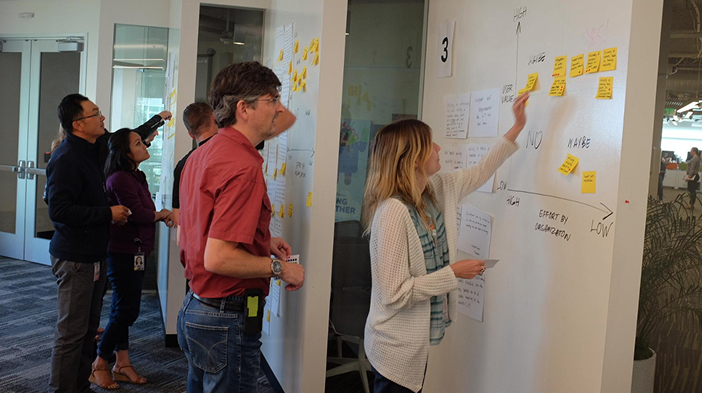
Fifteen stakeholders took part: ten in the room and seven joining online through Jamboard, with student helpers documenting every activity in real time. The hardest part was not the interface, it was serving four very different user types across time zones while respecting what IT had already built.

The design sprint
A full-day Google Design Sprint gave us the shortest path from confusion to alignment: understand user goals and frustrations, map the existing experience, sketch better flows, and agree on the MVP scope. By the end, stakeholders finally saw the scale of the project the same way, and IT and risk could assess feasibility against the three-month window.
Before and after
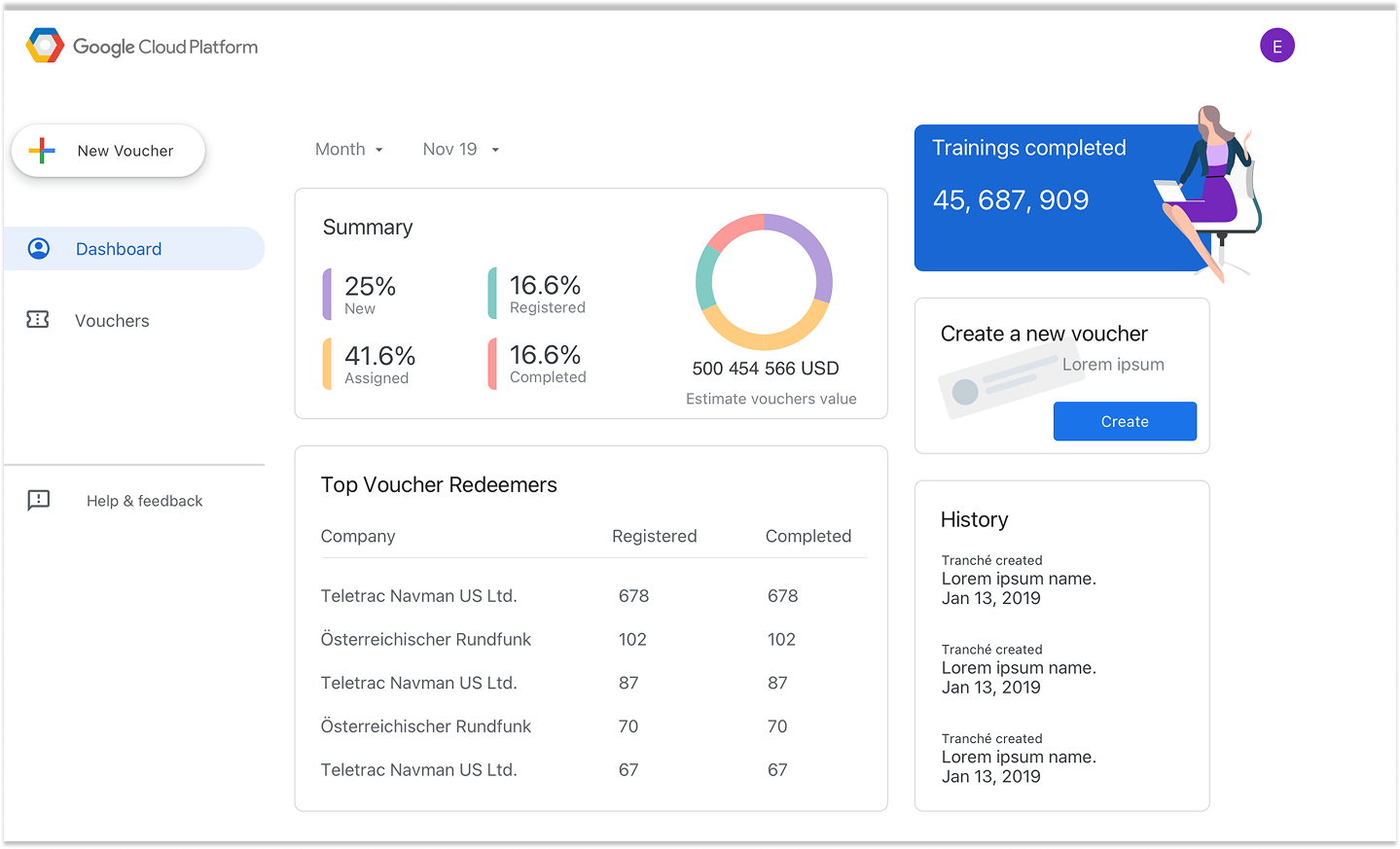
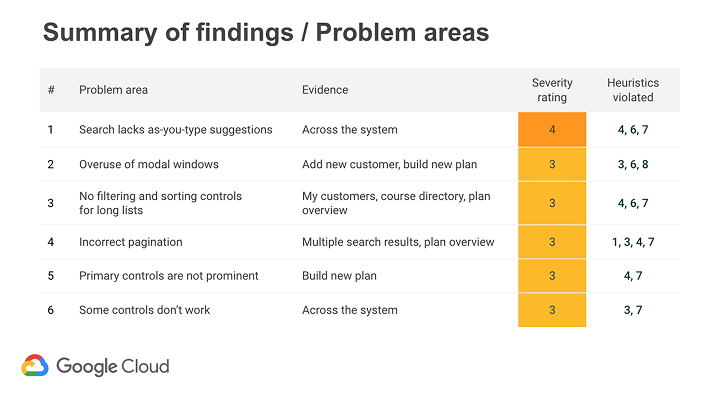
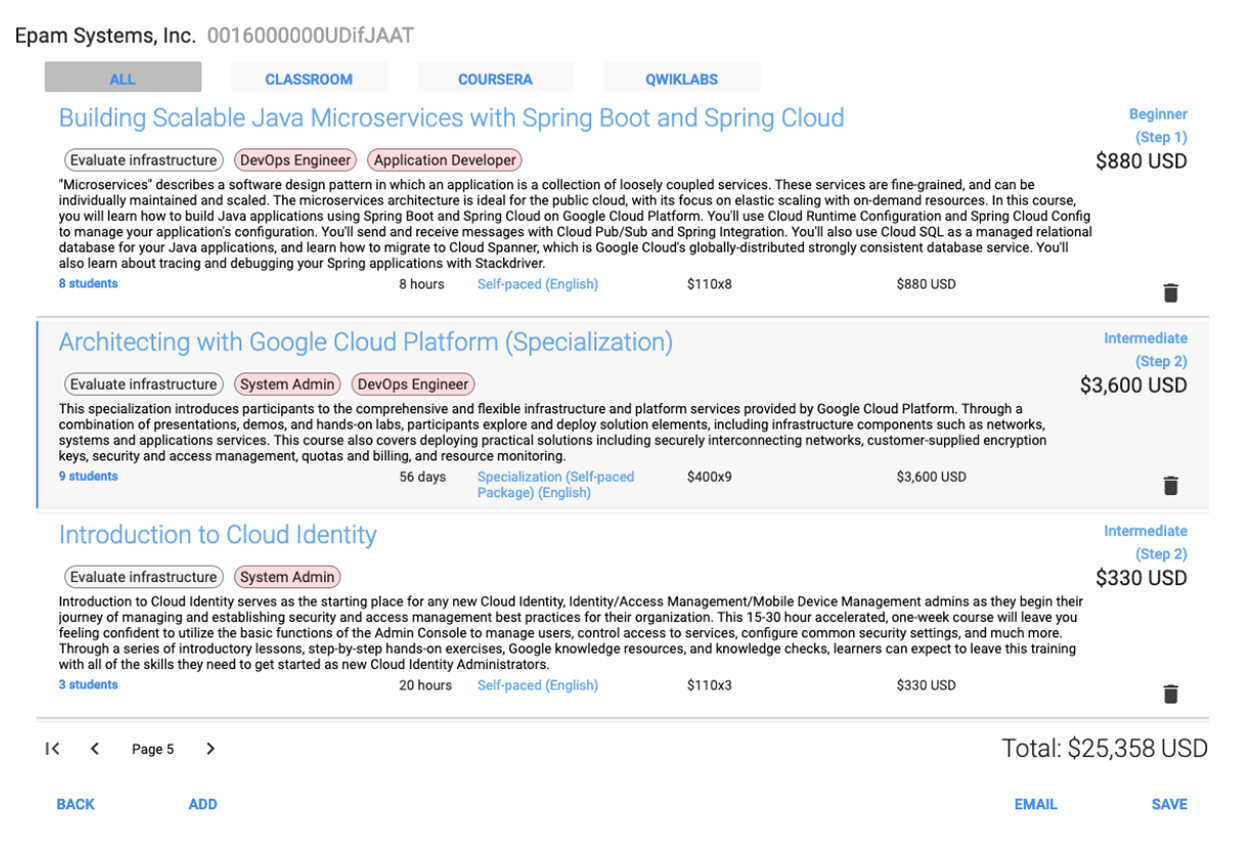
Think-aloud tests and the heuristic review showed exactly what had failed and why. The redesign gave program managers a dashboard that surfaces certification progress, cohorts and actions at a glance, instead of hiding them behind spreadsheets and dead ends.
Outcome
- User needs identified and validated with real participants
- Clear diagnosis of the gaps that limited the previous platform to 30% adoption
- One unified vision across departments and countries
- An MVP scope that development could deliver in three months